Pruning your trees at the right time is crucial for their health and growth. In this ultimate guide, we’ll reveal the best times to trim trees, the benefits of proper timing, and expert tips to keep your trees thriving. Let’s dive in and ensure your trees get the care they deserve!
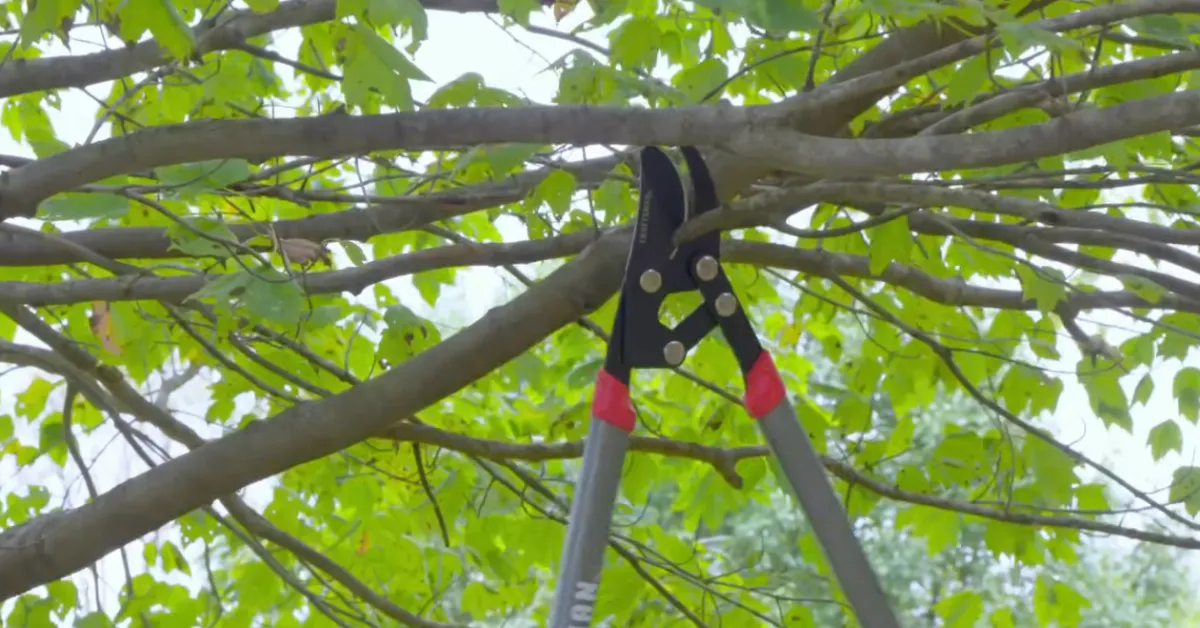
When is the Best Time to Trim, Prune Trees?
The best time to prune trees depends on your goals. For stimulating new growth, late winter to early spring is ideal. Pruning during these months encourages vigorous spring growth and allows easier access to branches before leaves appear.
To limit growth, prune in summer, focusing on removing dead or damaged branches to avoid stress. For flowering trees, prune after flowers fade but before new growth begins. Always prune damaged trees immediately to prevent infection. For safety, consult professionals for hazardous tree pruning.
Best Time to Trim Apple Trees
The best time to trim apple trees is during late winter to early spring, while the tree is still dormant. Pruning at this time promotes healthy growth, improves air circulation, and helps shape the tree.
Avoid pruning during the growing season, as this can stress the tree and reduce fruit production. If you’re shaping a young apple tree, you can prune it in late winter to encourage strong structure.
However, it’s important to remove any dead, diseased, or damaged branches as soon as they’re noticed, regardless of the season.
Best Time to Trim, Prune Maple Trees
The best time to trim or prune maple trees is during late spring to summer, ideally from May to August, after the tree has fully leafed out.
Pruning at this time stimulates new growth and encourages a fuller canopy. Pruning earlier in the season can cause excessive sap loss, which may stress younger trees, though mature trees can tolerate it.
For younger trees, shaping and structural growth are essential, while for older trees, pruning dead or crossing branches promotes better health. Always avoid removing more than 25% of the live growth in one season.
When is The Best Time to Trim Fruit Trees
The best time to trim fruit trees depends on your goals.
Winter pruning, especially in late winter, promotes vigorous growth and helps shape young trees. It’s ideal for removing low-quality branches and encourages stronger fruit production.
Spring pruning is good for removing dead or damaged branches and compacting larger trees but should be done after the tree has budded.
Summer pruning slows growth and is effective for reducing the size of vigorous trees. Autumn pruning is not recommended as it can lead to unhealed cuts before winter dormancy.
When To Trim Oak Trees
The best time to trim oak trees is during late winter, just before the start of spring. Pruning at this time allows the tree to heal its wounds before the growing season begins.
It also reduces the risk of attracting pests and diseases, such as oak wilt, which can be more prevalent during warmer months.
Avoid pruning in late spring or summer, as this is when the tree is actively growing and more susceptible to stress.
Best Time to Trim Magnolia Tree
The best time to trim a magnolia tree is in early spring or late winter, after the final frost. During this period, the tree is still dormant, which minimizes stress and promotes healthier growth.
Pruning during dormancy allows you to remove dead or damaged branches without affecting the tree’s blooming cycle. Avoid trimming in late summer or fall, as it may interfere with flower buds for the next season.
Always use sharp, clean tools to ensure a smooth cut and prevent infection.
When to Trim, Prune Peach Trees?
The best time to prune a peach tree is in early spring, just before or as the buds begin to swell, typically around February.
This timing allows you to trim the tree while it is still dormant, reducing the risk of damage and ensuring healthy growth. Avoid pruning during winter, as it makes the tree more susceptible to cold damage.
Pruning at the right time helps maintain the tree’s shape, removes dead or diseased wood, and encourages better airflow and sunlight penetration, leading to improved fruit production.
Best Time to Trim Pear Trees
The best time to trim pear trees is during the late winter or early spring, while the tree is still dormant, but after the coldest part of winter has passed.
This typically occurs between late February and early March, before new growth begins. Pruning during this time minimizes the risk of disease and reduces the stress on the tree.
Avoid pruning in late summer or fall, as this can stimulate new growth that may not have time to harden off before winter. Always ensure cuts are clean and made at the correct angles to encourage healthy growth.